Pleasure Is Self-Care, Too: Rewriting the Wellness Routine to Include Your Body

You've probably built some version of a self-care routine by now. Maybe it's the morning walk. The supplements. The journaling app, the cold rinse at the end of the shower, the protein-first breakfast. We've absorbed an entire wellness vocabulary over the past decade, and on the whole, it's been a good thing.
But there's a strange gap in most of these routines. Whole-body self-care is supposed to support you across every system — sleep, hydration, movement, breath, gut, hormones — and then, somehow, it goes quiet right when it gets to pleasure. We treat the body as a project to maintain, not a body to actually inhabit.
This piece is an invitation to close that gap. Pleasure is self-care, too. Here's how to fold it back in — without performance, without shame, and without making it another item on the optimisation list.

The wellness blind spot
Most modern wellness culture is descended from very specific lineages: clinical medicine, athletic training, monastic spirituality. None of those traditions have much to say about pleasure as a wellness pillar. So when we built our modern routines, we mostly skipped it.
The result is a kind of wellness that polishes the outside of the body but rarely asks how it actually feels to live in. We track sleep and miss arousal. We log macros and miss craving. We optimise the body to be useful and forget to enjoy it.
This isn't a moral failing. It's a cultural gap. And it's also fixable.
Why pleasure earns its place on the list
Set aside the more obvious reasons for a moment. Even on strictly utilitarian grounds, pleasure deserves a spot in your wellness routine.
It regulates the nervous system. Orgasm and even sustained arousal release oxytocin and prolactin, both of which are linked to lower stress and better sleep. People who maintain a regular sexual or self-pleasure practice tend to report lower anxiety and better mood stability.
It improves body literacy. The more you tune into what your body actually responds to — temperature, pressure, pace, rhythm — the better you get at noticing earlier signals: fatigue, tension, the start of a tension headache. Pleasure builds the same interoceptive muscle that meditation does, just from a different angle.
It supports intimate health. Regular sexual activity (with a partner or solo) is linked to pelvic-floor strength, hormonal balance, and, in older adults, cardiovascular benefits. Quiet wins, but real ones.
You don't need any of these as justification, of course. But it's worth knowing they exist.
The shame trap (and how to step out of it)
Here's the thing that quietly stops a lot of people from including pleasure in their self-care routines: shame, in some softer or harder form. Maybe it's a religious echo. Maybe it's a body story you've carried since adolescence. Maybe it's just the awkwardness of admitting you'd like to take yourself seriously in this area.
If any of that is in the room for you, the antidote isn't a lecture. It's small evidence. Try one thing — a slow shower, an unhurried evening with the lights low, a tool that respects your body — and let the experience itself update the story. Bodies tend to be more persuasive than arguments.
You don't have to “fix” the shame to start. You just have to not let it run the show.

What a pleasure-inclusive routine actually looks like
This doesn't need to be a project. A few light-touch additions are usually enough.
A weekly slow evening. Block one night a week where the agenda is: nothing. Bath, music, slow undressing, no goal. If you live with someone, decide together whether it's solo or shared; both versions count.
Body-attention check-ins. Once a day, take 60 seconds to ask your body, in order: where am I tense, where am I numb, where do I actually feel pleasant right now? You're building literacy. The answers tend to shift.
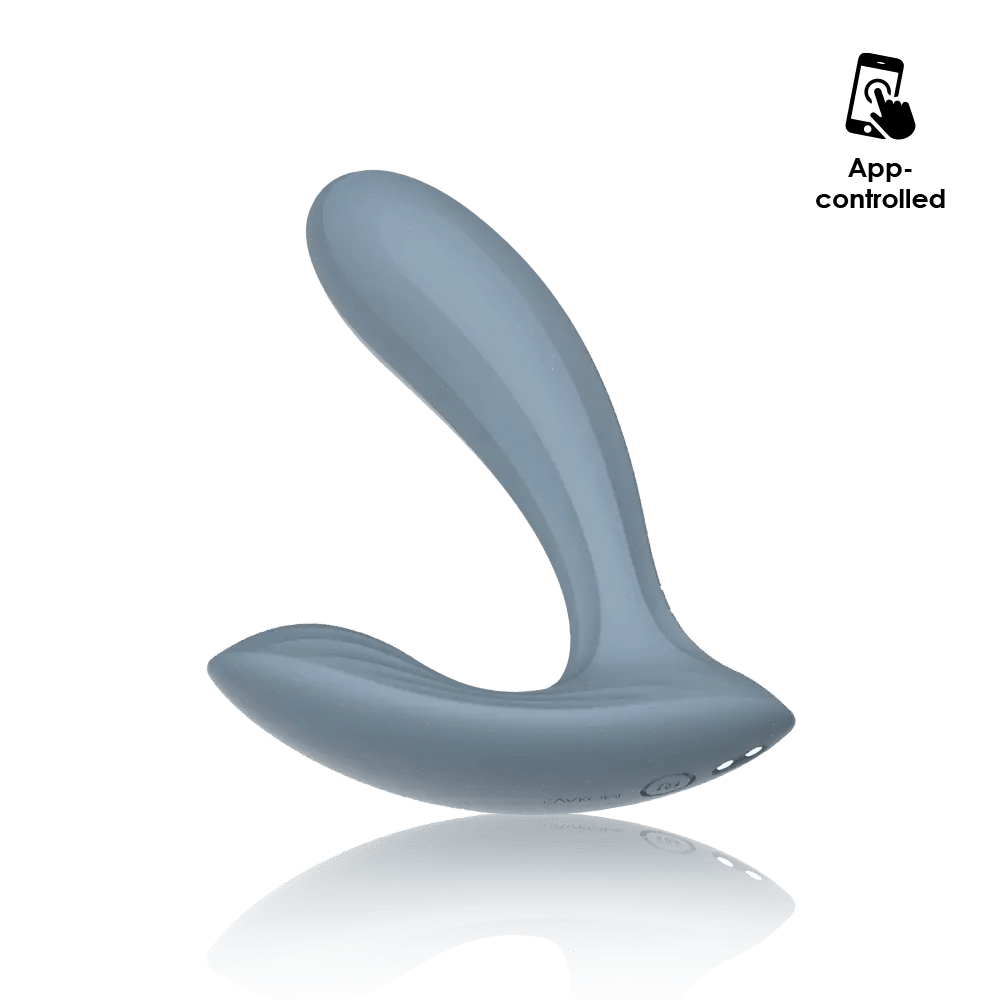
A tool that respects you. This is where modern design earns its keep. Vick Neo is built for unhurried, focused sensation — quiet enough to use without theatre, app-controlled if you'd like a partner to take a turn at the dial, and shaped to deliver the kind of slow, deepening pressure that suits a real wellness practice rather than a quick fix. It's a small piece of equipment, treated with the same respect you'd give your skincare or your supplements.
A bath or a stretch that counts. Movement that ends in something pleasant is more likely to repeat. Make the last five minutes of your stretch the soft, melty part. Make the bath include something other than functional washing. Reward yourself for showing up.
Body positivity isn't a slogan
The body-positive movement at its best isn't about loving every inch of yourself at all times. That's a tall order, and it doesn't survive a bad-light morning. The more sustainable version is body neutrality with moments of body appreciation — and pleasure is one of the easiest doorways to the second.
You don't have to be in love with how your stomach looks to enjoy how your back feels under warm water. You don't have to feel confident every day to give yourself a slow hour. The body keeps offering opportunities to enjoy itself. The practice is taking them.
The takeaway
If self-care is the practice of paying attention to what your body needs, pleasure absolutely belongs on the list. Not as a luxury. As part of the architecture of a well-tended life.
Rewrite the routine. Make room. Give your body the same care you've been giving your skin, your sleep, your protein.
Shop Vick Neo at Svakom — modern, body-aware design for a pleasure-inclusive routine: svakom.com.au/products/prostate-perineum-massager